
Cupping therapy benefits: what it actually does (and doesn’t)
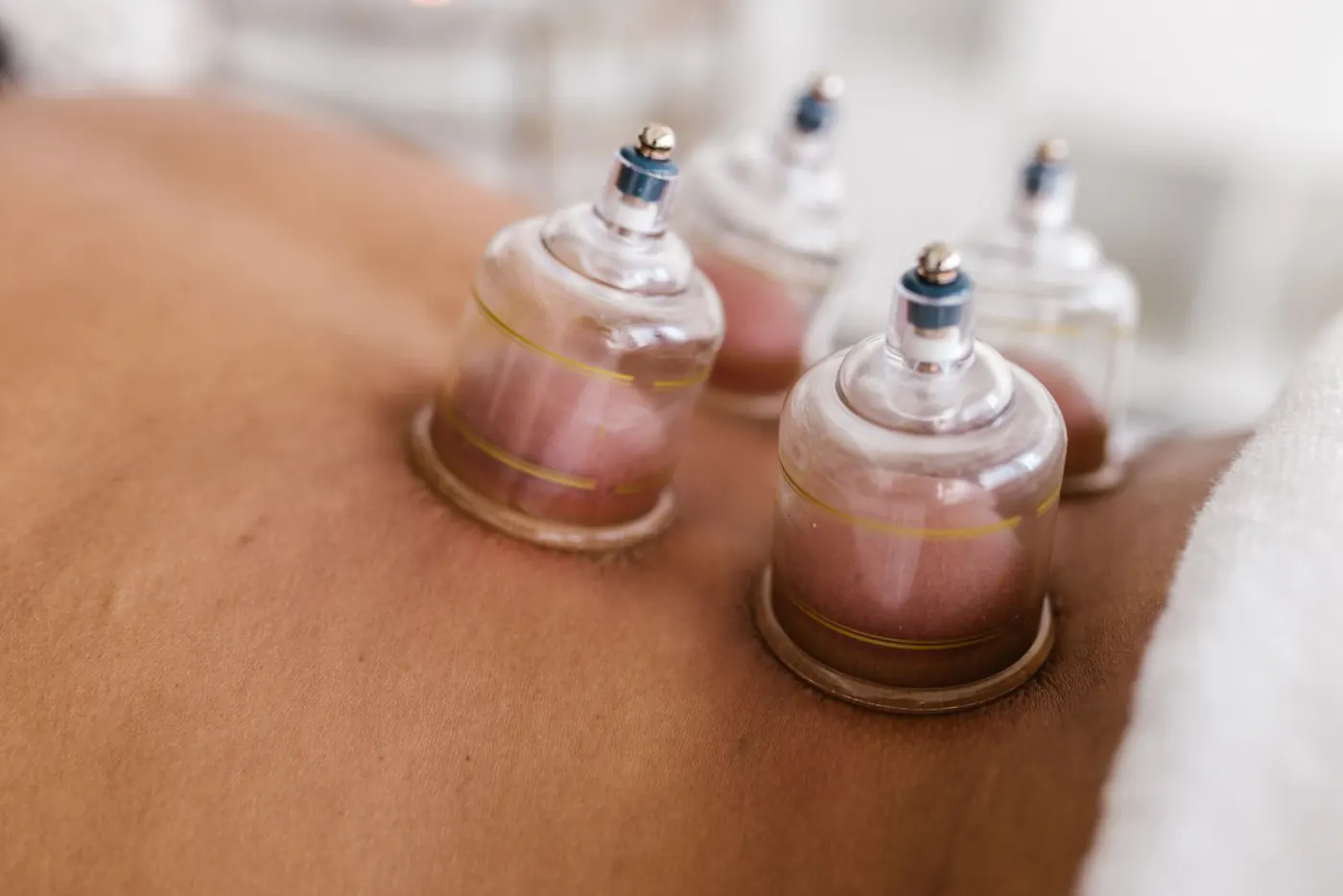
Cupping has been around for thousands of years, but most people met it in 2016, when Olympic swimmers showed up covered in purple circles. Since then it’s been sold as everything from a detox miracle to a gimmick. The truth is more interesting than either. As a certified cupping practitioner, here’s my honest take: what cupping actually does, what the benefits really are, what those marks mean, and when I reach for the cups instead of my hands.
What does cupping therapy do?
Cupping uses suction to lift the skin and superficial fascia away from the muscle underneath — the exact opposite of massage pressure. Where hands compress tissue, cups decompress it. That does three useful things: it draws blood flow into the area, it creates a stretch through layers of tissue that pressure can’t reach the same way, and it gives the nervous system a strong, novel input that often relaxes areas that clamp down against direct pressure.
Cups can be left in place over a specific spot (static cupping) or glided along a muscle with the suction engaged (dynamic or moving cupping), which feels like a deep massage stroke in reverse. Both have their place, and they feel surprisingly different.
The real benefits of cupping
- Relief in stubborn, guarded areas. Some spots — upper traps, low back, IT band region — brace against pressure. Because decompression is a completely different input, they often let go under a cup when they wouldn’t under a thumb. This is the number-one reason I use cupping.
- Increased local blood flow. Suction visibly draws blood into the treated area. For dense, chronically tight tissue, that circulation change is part of why the area feels warmer and looser afterward.
- A tissue stretch you can’t get any other way. Lifting skin and fascia away from muscle creates shear and glide between layers — useful where tissue feels “stuck down” rather than just tight.
- Nervous-system downshift. Like massage generally, much of the benefit is neurological: a strong, safe, novel sensation that turns down protective guarding and the perception of tightness. (I explain this mechanism in my guide to what massage therapy actually is.)
- Pain relief that’s modest but real in the research. More on the evidence below — the honest summary is “promising, not miraculous.”
What about the marks? Do they mean it worked?
The circular marks are the most famous — and most misunderstood — part of cupping. They’re caused by blood drawn toward the surface under suction, not by impact, so they’re not true bruises and they typically don’t hurt the way a bruise does. They fade in roughly three to seven days.
Darker marks mostly reflect more suction, longer cup time, or your own circulation — not how much “toxin” was pulled out (nothing is being pulled out) and not whether the treatment worked. A great session can leave light marks or none at all. If you have an event, a wedding, or a beach weekend coming up, say so — suction and duration are fully adjustable.
What the evidence actually shows
You deserve the same honesty here as everywhere else on this site. Systematic reviews suggest cupping may help musculoskeletal pain — neck pain and low-back pain show the most consistent signals — but many of the underlying studies are small, short, and hard to blind (you know if you’ve been cupped). Claims about detoxification, immune boosting, or curing disease aren’t supported.
So my clinical position is simple: cupping is a useful tool with a plausible mechanism and low risk in trained hands, best used alongside skilled hands-on work rather than as a standalone fix. That’s exactly how I use it.
Cupping vs. scraping vs. massage: which tool when?
In my practice these aren’t competing treatments — they’re different inputs for different problems, often in the same session:
- Massage pressure — the foundation. Best for assessment, broad work, and most tension. Deep tissue handles chronically tight, layered restriction.
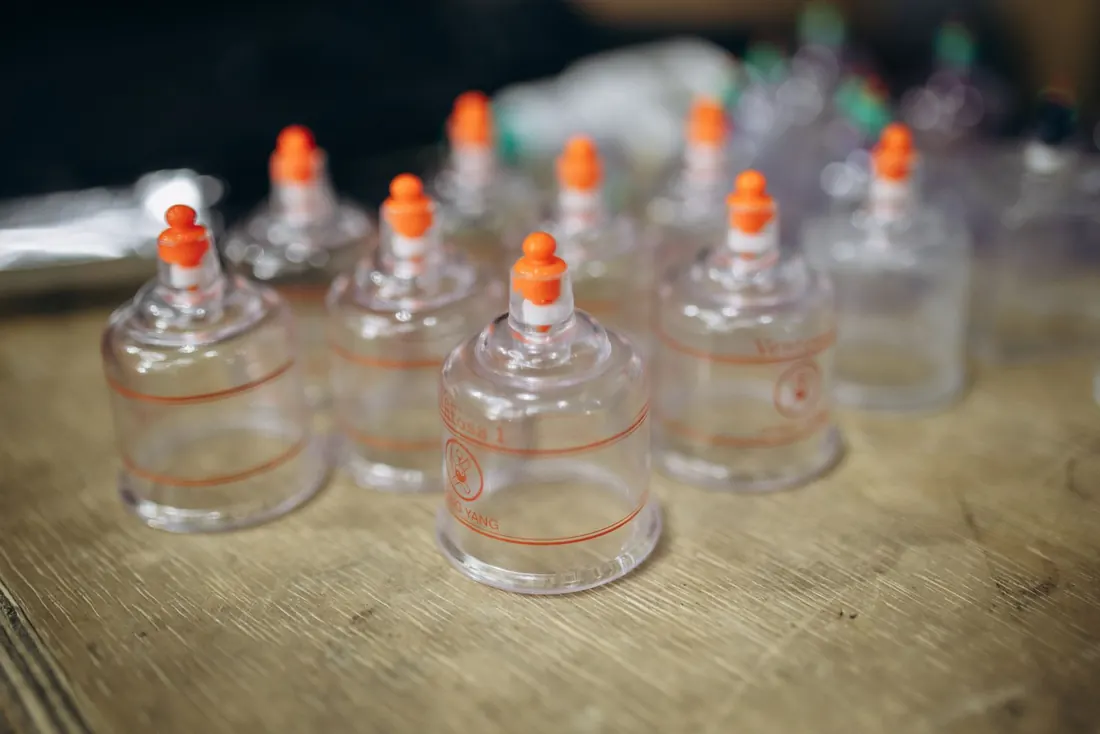
- Cupping (decompression) — for guarded areas that fight back against pressure, and for tissue that needs blood flow and lift rather than force.
- Scraping / IASTM (shear) — a smooth tool drawn along tendons and flat areas to find and treat gritty, restricted spots with precision. Cupping and scraping live together on my cupping & scraping service page if you want the session-level details.
Within a sports massage session, all of these are on the table — you book time, and the tools fit the problem, not the other way around.
Who should skip cupping
Cupping is low-risk for most healthy adults, but it’s not for everyone. Skip it, or clear it with your doctor first, if you have a bleeding disorder or take blood thinners, have fragile or broken skin at the site, active infection, deep vein thrombosis, or severe chronic illness being actively managed. Cups also don’t go over varicose veins, open wounds, or sunburn. A trained practitioner asks about all of this before the first cup goes on — if yours doesn’t, find a different practitioner.
What a cupping session with me looks like
Cupping is integrated into a regular mobile session — I bring the table, the cups, and everything else to your home in Reading or anywhere in Berks County. We start with assessment, hands-on work finds the areas worth treating, and cups come out where decompression will do more than pressure. You don’t book “a cupping”; you book time, and cupping is one of the tools. My training and certifications are on the About page if you want the background.
Curious what decompression feels like?
Book an in-home session in Reading & Berks County — if cupping fits what your body needs, it's included, not an upsell.
Book a session