
What is massage therapy? A clear, clinical guide
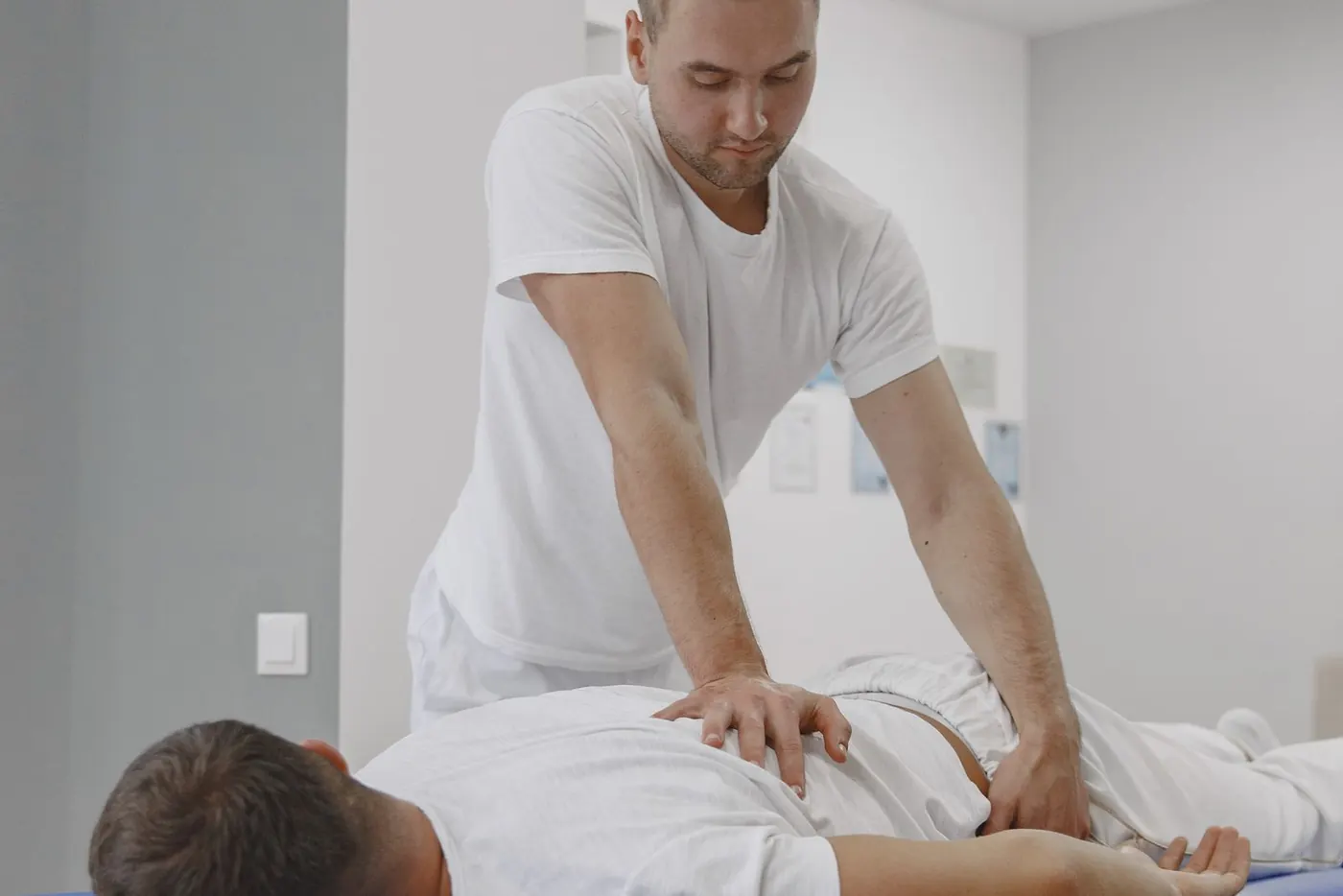
“Massage” covers a lot of ground — from a relaxing spa hour to focused clinical work on a stubborn injury. If you’ve only ever thought of it as a treat, this guide gives you the full picture: what massage therapy actually is, how it works, the main types you’ll come across, what the research really shows, and how to tell genuine clinical work from a nice-but-forgettable rubdown.
What is massage therapy?
Massage therapy is the hands-on manipulation of the body’s soft tissue — muscles, tendons, fascia, ligaments, and the skin over them — to reduce tension and pain, improve how you move, and help you recover. Major medical institutions describe it in almost identical terms: the Mayo Clinic calls it a form of integrative medicine in which a therapist “rubs and kneads the soft tissues of your body,” and the National Center for Complementary and Integrative Health (NCCIH) notes it’s used both “to help manage a health condition” and to “enhance wellness.”
It’s also one of the oldest health practices we have. Nearly every culture, Eastern and Western, developed some form of therapeutic touch — because it works on something basic: tissue and the nervous system respond to intentional, skilled contact.
How does massage therapy work?
Massage works on two levels at once, and understanding both clears up a lot of myths.
Mechanically, pressure and movement affect muscle fibers and the fascia that wraps them, and encourage local blood and lymph flow through the area being worked. Neurologically — and this is the bigger story — skilled touch signals your nervous system to shift out of a braced, stressed state and toward “rest and digest.” When the nervous system down-shifts, protective muscle guarding eases and the brain’s perception of pain often turns down with it.
That second mechanism is why a good session can leave you feeling looser and calmer even when nothing was literally “broken up.” Popular phrases like “flushing out toxins” or “breaking up knots” are mostly metaphors; the real change is happening in muscle tone and in the nervous system’s response to touch.

The main types of massage therapy
Not all massage is the same. These are the styles most people encounter:
- Swedish / relaxation massage — flowing, lighter-pressure work aimed at calming the nervous system and easing general tension. This is the “default” massage most people picture.
- Deep tissue massage — slower, more focused pressure that targets deeper muscle layers and chronic tightness. “Deep” means deliberate, not painful.
- Sports massage — geared toward athletes and active people to support training, recovery, and performance, often built around a specific sport or event. See session lengths & pricing.
- Trigger point therapy — targeted work on specific knotted spots that can refer pain elsewhere in the body.
- Myofascial release — sustained, lower-force pressure aimed at the fascia to restore glide and mobility across regions.
- Cupping and assisted stretching — tools that complement hands-on work to decompress tissue and restore range of motion, both part of the modalities used in-session.
In practice, most good sessions blend several of these based on what your body needs that day rather than rigidly sticking to one label.
The four foundational strokes
Underneath those style names sit four classic techniques — the building blocks of Swedish massage that nearly every modern approach draws on:
- Effleurage — long, gliding strokes used to warm up tissue and transition between areas.
- Petrissage — kneading, rolling, and lifting that works muscle more deeply.
- Tapotement — rhythmic tapping or percussion, often used to stimulate.
- Friction — deep, focused circular pressure applied to a specific spot.
What the evidence actually shows
Here’s an honest read of the research, because you deserve claims you can trust. According to the NCCIH, massage therapy “appears to have few risks if it is used appropriately and provided by a trained massage professional,” and the evidence is strongest for a handful of specific benefits:
- Pain — reviews suggest massage may help with low-back pain and chronic neck pain, though the evidence is often rated as weak to moderate.
- Stress and relaxation — the nervous-system effect is real and reliably reported; massage is a legitimate tool for down-regulating a stressed body.
- Anxiety and mood — there’s some evidence of short-term benefit for anxiety and mood, and for quality of life in people managing certain conditions, though study sizes are often small.
- Fibromyalgia — massage continued for at least five weeks has been shown to improve pain, anxiety, and depression, though not sleep.
Where the evidence is thinner or mixed — for example, some claims around cancer-related symptoms — the honest answer is that findings are inconsistent and the quality of studies is low. Massage is a strong complement to good medical care, not a replacement for it. Anyone promising that massage cures disease is overselling.
What does a massage therapist do in a session?
A skilled therapist does more than apply pressure. A typical clinical session looks like this:
- Intake — a few questions about your goals, pain, history, activity, and anything a therapist needs to know for your safety.
- Assessment — watching how you move and finding the tissue and patterns actually driving the complaint.
- Treatment — hands-on work chosen for your goal, with pressure dialed to what your body responds to, and check-ins along the way.
- Guidance — simple takeaways, like a stretch or movement, and an honest sense of how many sessions might help — plus a referral to another provider when that’s the right call.
Massage therapy vs. a regular spa massage
This is the difference people ask about most. A regular or spa massage is aimed mainly at relaxation for the length of the session — and there’s nothing wrong with that. Therapeutic or clinical massage adds assessment and intent: the therapist is trying to figure out why something hurts and to change it, not just to feel good for an hour. The ache is usually a symptom; the cause is often somewhere else. Finding that cause is the difference between feeling good for a day and feeling better for the long run.
Is massage safe? Licensing and when to skip it
Massage is low-risk in trained hands. In most states, including Pennsylvania, massage therapists are licensed — meaning required training, exams, and standards. A license tells you the person working on you understands anatomy, contraindications (when not to do certain work), and how to keep you safe. It’s always worth asking about.
There are times to hold off or get medical clearance first — for example with blood clots, certain cancers, active infections, fractures, severe osteoporosis, or open wounds. Therapists are also trained to keep deep pressure away from sensitive “endangerment sites” such as the front and sides of the neck, the armpit, the groin, and the back of the knee and elbow. When in doubt, a good therapist will tell you honestly whether massage is the right tool for what you’re dealing with.
What a clinical approach adds
This is where my background shapes the work. With a degree in Kinesiology, PRI training, and cupping certification, I don’t just apply pressure where it hurts — I assess how you move, find what’s actually driving the problem, and work with intent. Read more about my training and approach. The goal isn’t a pleasant hour you forget by tomorrow; it’s measurable change in how you feel and move.
So is massage a luxury? It can be — and that’s fine. But at its best, it’s a legitimate tool for moving, recovering, and feeling better in your own body. If you’re curious what a focused, clinically informed session feels like, book a time and find out.
Ready to feel the difference?
Book an in-home session in Reading & Berks County and let's address what's actually going on.
Book a session